Conservation in North America
Stretching across southern Arizona and northern Mexico, the Sonoran Desert is the wettest desert on Earth, with some areas receiving up to 12 inches of rain annually, making it the most biologically diverse desert in the world.
Rising from this remarkable landscape are the Sky Islands—isolated mountain ranges where desert grasslands transition into oak woodlands and pine forests, creating an extraordinary diversity of habitats. This unique meeting place of northern and southern ecosystems supports thousands of plant and animal species, including many found nowhere else, and serves as a vital refuge and migration corridor for wildlife.
Protecting this incredible region helps safeguard one of North America’s richest centers of biodiversity for generations to come.
Reid Park Zoo is dedicated to protecting wild animals and wild places, both at home in the Sonoran Desert and across the world. We support the following organizations working to preserve and protect the unique wildlife and habitats of the Sonoran Desert.


Jaguar Conservation
Reid Park Zoo is a proud supporter of two local jaguar conservation programs in Sonora, Mexico.
La Tierra del Jaguar: La Tierra protects jaguars by working directly with the community to help them develop regenerative farming techniques to restore the land, diversify income for the community, and improve jaguar habitat.
Northern Jaguar Project: NJP protects the world’s northernmost jaguar population by securing jaguar habitat in the 56,000 acre Northern Jaguar Preserve and working with local ranchers and communities to foster an appreciation of their large cat neighbors through their wildlife camera program.
Black Bear Conservation
The international borderlands region between the U.S. and Mexico is recognized as a globally significant biodiversity hotspot, but recent increases in development, fragmentation, and a rapidly warming and drying climate are accelerating the degradation of important habitats.
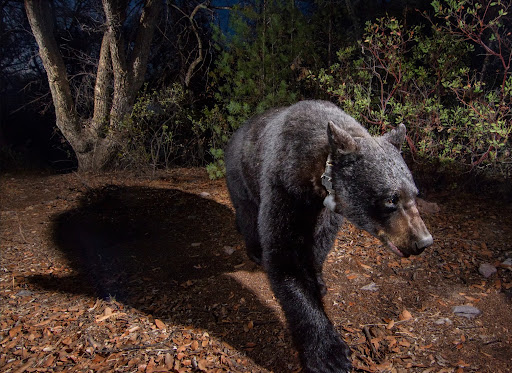
Borderlands Restoration Network is a non-profit organization that seeks to rebuild healthy ecosystems through field conservation actions paired with establishment of relationships with landowners and advocacy for effective management instruments. Reid Park Zoo is proud to support Borderlands Restoration Network’s research of black bears, through GPS collars, camera traps, and DNA metabarcoding, as a model species to determine landscape connectivity and identify movement barriers for many mammal species in the region.


Coalition for Sonoran Desert Protection
Reid Park Zoo is a member of the Coalition for Sonoran Desert Protection, an alliance of 30 conservation and community organizations working to protect and connect the Sonoran Desert in southern Arizona.
Working primarily in eastern Pima County, the coalition uses community science projects, education, advocacy, and hands-on conservation work to connect wildlife corridors, maintain open spaces and public lands, and ensure that development treads lightly where it matters most.
Cuenca los Ojos
Cuenca Los Ojos is a binational nonprofit organization dedicated to rewilding the U.S.-Mexico borderlands through habitat restoration and protection, species support, and education.
Cuenca stewards a 50,000-hectare reserve in northern Mexico and implements science-based solutions and adaptive management that ensures ecosystem health and the recovery of functioning relationships. The Reserve is located within the Sky Island region and includes environmental influences from the Sonoran Desert, Great Plains, Chihuahuan Desert, Rocky Mountains, and Sierra Madre Mountains, creating one of the most biodiverse regions in North America, a place where beaver, bison, and jaguar all overlap. Reid Park Zoo supports Cuenca Los Ojos through funding for wildlife monitoring tools that assist in determining habitat preference, migration patterns, and behavior of a newly-introduced Plains Bison herd.


Sky Island Alliance
Are you curious about what’s living in or passing through your backyard? Use a wildlife camera! In 2025, Reid Park Zoo supported Sky Island Alliance’s purchase of FotoFauna camera kits, which are easy for everyone to use and available at the SIA office in Tucson or at a library near you in surrounding counties.
The kits not only show how to set up a wildlife camera, they also include wildlife identification guides that teach users how to tell the difference between species like the four Sky Island skunks, mule deer and white-tailed deer, ground squirrels and tree squirrels, and many other animals!
Kits are checked out for 30 days, which gives patrons enough time to enjoy observing, documenting, and submitting a FotoFauna checklist for the species that visit their yard. Patrons are allowed to keep the digital photos taken by the camera — please consider posting yours to social media (Facebook or Instagram) using the #SkyIslandFotoFauna hashtag!
Conservation Hours
Reid Park Zoo’s commitment to conservation extends far beyond the wildlife we care for here at the Zoo and the partners we support to protect wildlife and wild places around the world.
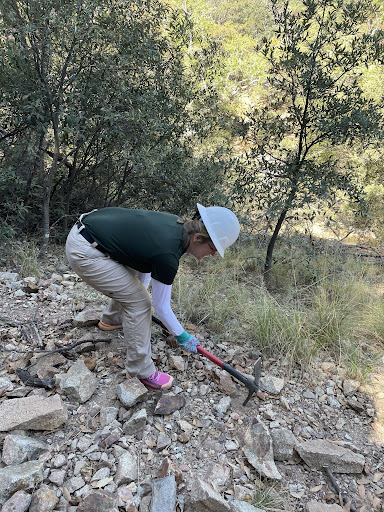
Through eight paid “conservation hours” each year, all full-time staff have the opportunity to put conservation into action in Tucson and beyond. From pulling invasive buffelgrass on Tumamoc Hill and identifying wildlife in camera-trap images to removing trash at Peppersauce Canyon and supporting wildlife rehabilitation in Costa Rica, our staff lend their time and talents to conservation wherever they can. It’s one more way we live our mission every day: protecting wild animals and the wild places they call home.