Sustainability at Reid Park Zoo
It’s Our Mission!
Sustainability means meeting our needs today without compromising the ability of future generations to meet theirs. In practice, it means making choices that help people, wildlife, and ecosystems thrive together.
Many of the challenges facing wildlife—from habitat loss and climate change to pollution and resource depletion—are connected to the ways we use natural resources. By conserving resources, reducing waste, and making thoughtful choices, we can help create a healthier, more resilient planet for people and wildlife.
At Reid Park Zoo, sustainability is part of how we care for our animals, our community, and the planet. Our efforts include:
Generating renewable energy through solar power
Conserving water and using reclaimed water where appropriate
Composting food scraps and herbivore waste through our “Zoo Doo” program
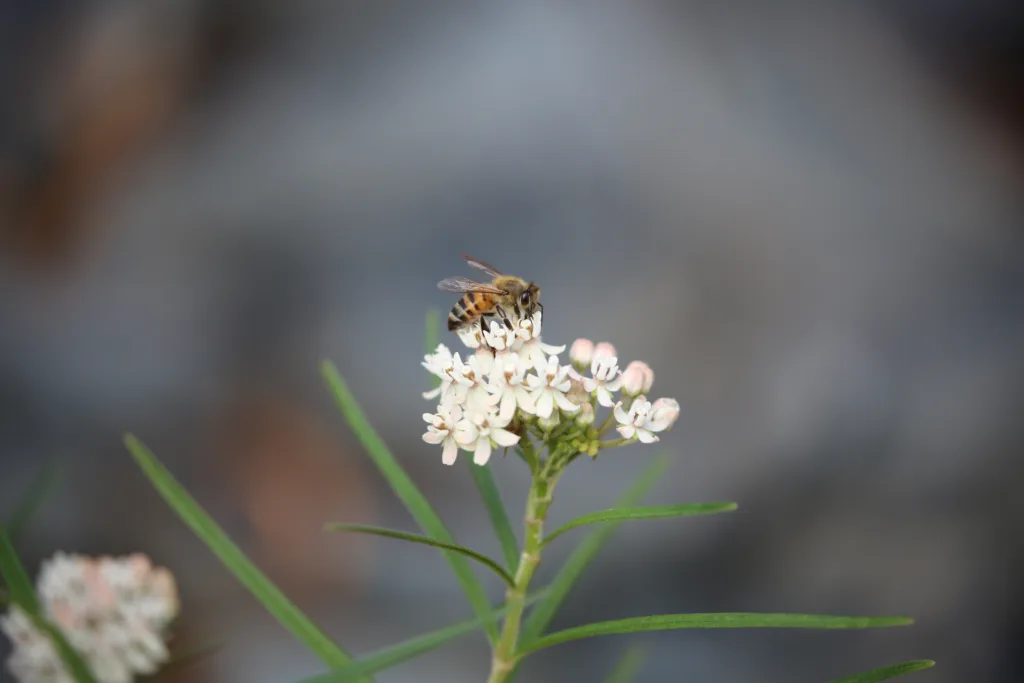
Creating habitat for native pollinators and wildlife
Incorporating sustainable design and building practices
Reducing waste through refusing unnecessary items, reusing materials, recycling, and responsible purchasing
These actions can reduce waste, conserve natural resources, lower operating costs, and lessen our environmental impact. Most importantly, they support our larger conservation efforts by helping protect the natural resources and habitats that wildlife depend on.
Sustainability is conservation in action—and every choice makes a difference.
Explore the examples below to learn how Reid Park Zoo puts sustainability into practice! Or, get ideas about what you can do at home!
sustainability
Cell Phone Recycling
Lithium for cell phone batteries is directly mined from flamingos’ habitats. Critical water resources are drained to evaporate lithium from salt flats, reducing the amount of fresh water available for the flamingos and people living in nearby communities.
Reid Park Zoo is partnering with ecocell to recycle old phones to recapture lithium and other minerals, which reduces the need for mining for new minerals. Plus, any proceeds from recycling will go to the SAFE: Andean Highland Flamingo program, funding flamingo conservation.
It is our responsibility to make sure we are using resources wisely to protect wild animals and wild places. By choosing to reduce the number of new gadgets we buy and recycling them properly at the end of life, we can directly help flamingos.
By reducing our use, we reduce our impact.
Remember to wipe all the data from a gadget before recycling. ecocell recycling can accept: cell phones, GPS devices, iPads/Tables, smartwatches, iPods/mp3 players, digital cameras, and all the cords and cables that come with them.


sustainability
Green Building
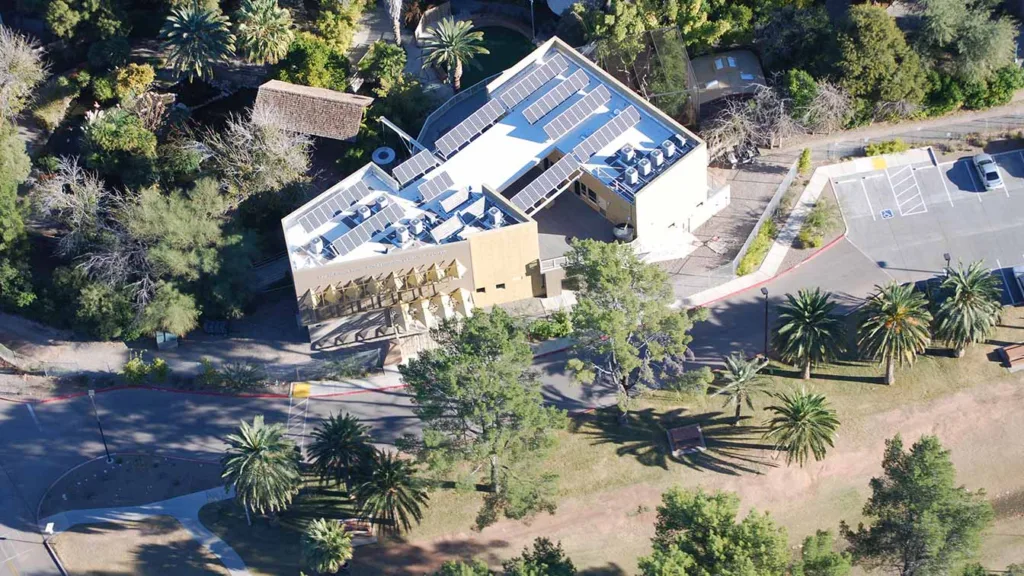
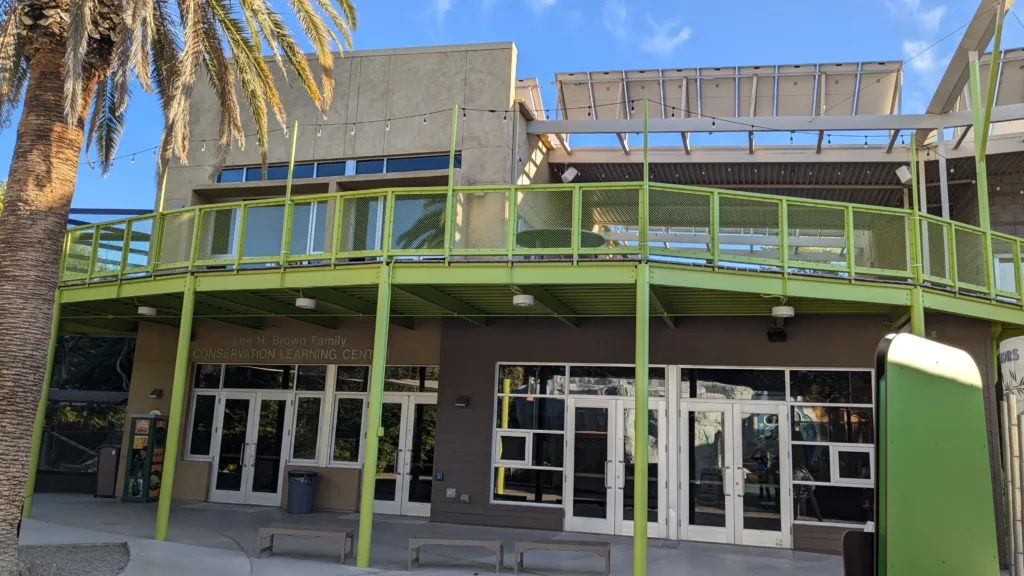
Reid Park Zoo strives to be a community leader in “green” construction. New construction at the Lee H. Brown Family Conservation Learning Center, Elephant Care Center and Animal Health Center features:
- Solar power panels to produce energy for the building (through a partnership with TEP)
- Highly efficient heating and cooling systems
- Recycled and sustainable construction materials
- Water harvesting and grey water capture
- Non-toxic, low fume paints and adhesives
- Natural day-lighting
- ….and much more!
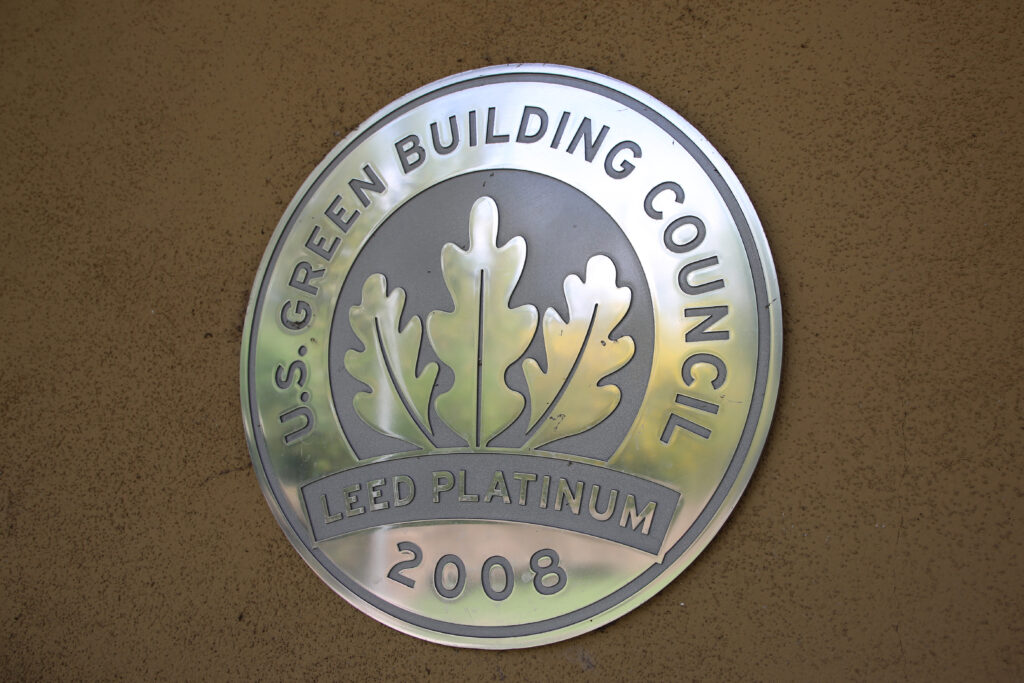
We received the prestigious LEED Platinum certification from the U.S. Green Building Council for the choices we made during construction for the Conservation Learning Center. This was the first LEED platinum building in Southern Arizona.
sustainability
Recycling in Tucson
Like many people in Tucson, the Zoo participates in the City of Tucson’s blue barrel recycling program. Zoo staff members follow the City’s recycling guidelines when separating recyclable material from other trash. Recycling bins around the Zoo encourage Zoo visitors to do the same. Zoo Keepers also reuse items such as burlap sacks, cardboard boxes and paper towel tubes for animal enrichment.
Do you live within the City of Tucson? Learn what can go in your bin.
Join the Tucson Environmental Services Facebook Page to stay up to date on the latest info!
Sustainability
Plastic Glove Recycling
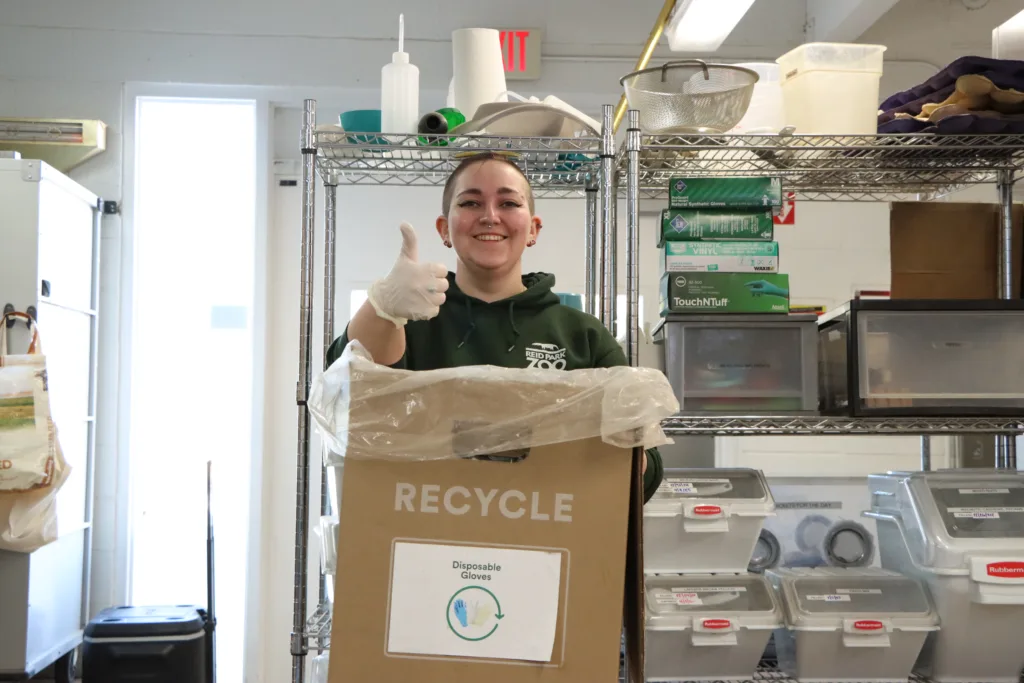
Reid Park Zoo strives to be a community leader in “green” construction. To ensure the health of animal care staff and the animals at the Zoo, staff wear food and medical-grade gloves when caring for certain animals and prepping their food. These gloves are not able to be recycled through the City of Tucson Blue Bin program so the animal care staff recycles them through Terracycle.
Find out more from Terracycle to help recycle hard-to-recycle trash from your home or office.
Sustainability
Reducing Single-Use Plastic
Reid Park Zoo and our on-grounds vendors are continually evaluating our use of plastic in our daily operations and looking for ways to reduce our impact on the environment.
During education programs and in the Flamingo Grill, we use plates, cups, and utensils made from plants, like bamboo, corn, and sugarcane, or items that can be washed and then reused. Additionally, the Zoo and Grill have transitioned away from plastic water bottles to aluminum water bottles (which can be recycled over and over). When purchasing supplies from local stores, staff take along reusable shopping bags. Most notably you’ll find efforts to reduce plastic consumption in the Discover the Wild Gift Shop. Inside you can choose a Zoo souvenir plush animal made from 100% recycled material or a toy made from plastic that was diverted from going into the ocean. If you’re looking for options to reduce your use of single-use plastic, they also have plastic-free water bottles, veggie bags, and reusable straws for sale. Additionally, they choose products that have reduced plastic packaging, use wooden hangers over plastic ones, and skip using plastic bags at checkout.
Reducing our use of single-use plastic is something we all can do. Here are some easy, but impactful actions you can take:
- Bring a reusable water bottle with you when you visit the zoo.
- Bring your own reusable grocery bags with you to the store.
- Skip using a straw when dining out.
- Purchase a Go Green Kit! Each kit comes with an assortment of eco-friendly products that will help you reduce your use of plastic in your daily routine. All proceeds support the Zoo Crew’s conservation fund.


Sustainability
Paper Products Buying Guide
In 2022, the Zoo established a paper products procurement guide to establish guidelines for all staff when buying any paper products throughout the Zoo from office paper to toilet paper. These guidelines assist staff in making mindful, informed decisions about the paper products they buy to reduce the Zoo’s impact on the environment.
You can help to by:
Avoiding or reducing your use of paper
- consider the environment before printing
- printing double-sided
- recycled used paper products
- use electronic alternatives for notes, meeting agendas, etc
- use scrap paper
Purchasing sustainable paper products
- Choose products with at least 30% post-consumer waste content.
- Look for products certified by the Forest Stewardship Council® (FSC®).
Choose paper products with non-chlorine bleach, by looking for items that are:
- Processed chlorine free (PCF)
- Totally chlorine free (TCF)
- Elementary chlorine free (ECF)
- EcoLogo
- Green Seal certified
sustainability
Saving and Reclaiming Water
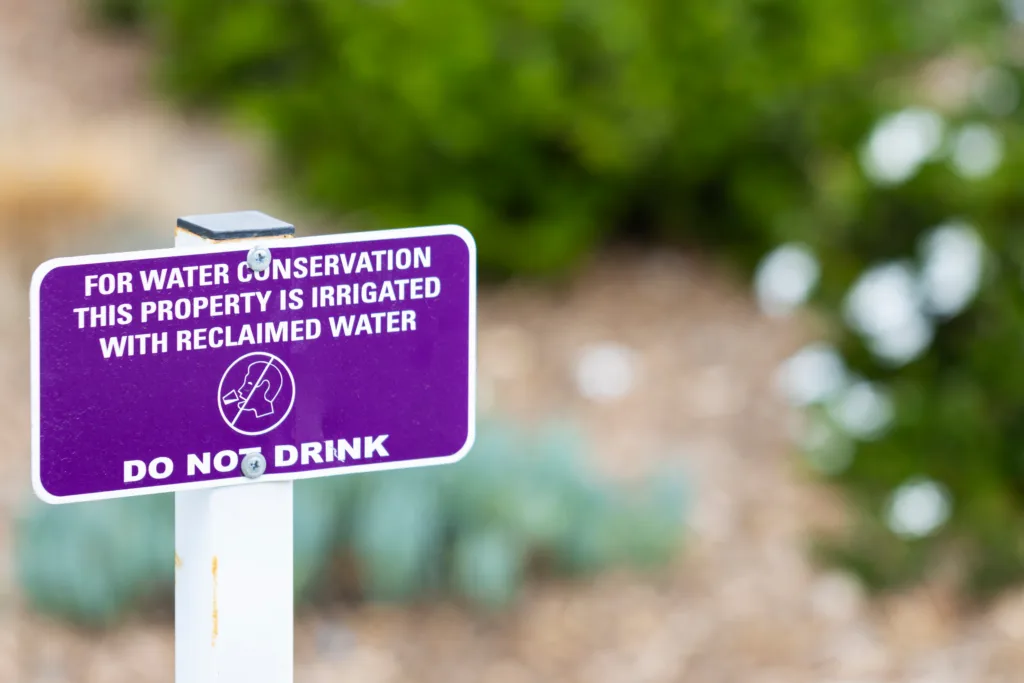
Let’s face it, the Zoo uses lots of water to keep animal exhibits and night houses clean and to keep our vegetation lush. In the desert, water is very precious so we use it as responsibly as possible. We use highly treated waste-water, or “reclaimed” water, for many of our non-animal area cleaning and irrigating needs.
You can help save water at home by following these easy actions:
- Installing low flow faucets and high-efficiency toilets that use 1.28 gallons of water or less with each flush
- Install a rainwater harvesting system to use to water the plants and trees in your yard
- Plant only native plants that do not need to be watered regularly
- Keep your home water leak-free
sustainability
Saving and Producing Energy
The Zoo also uses a lot of power to keep the animal exhibits’ lights, heaters, swamp coolers and pool filters running! We try to conserve energy whenever possible by turning off lights and computers when not in use. Additionally, during our annual ZooLights event, we use only low energy LED holiday lights.
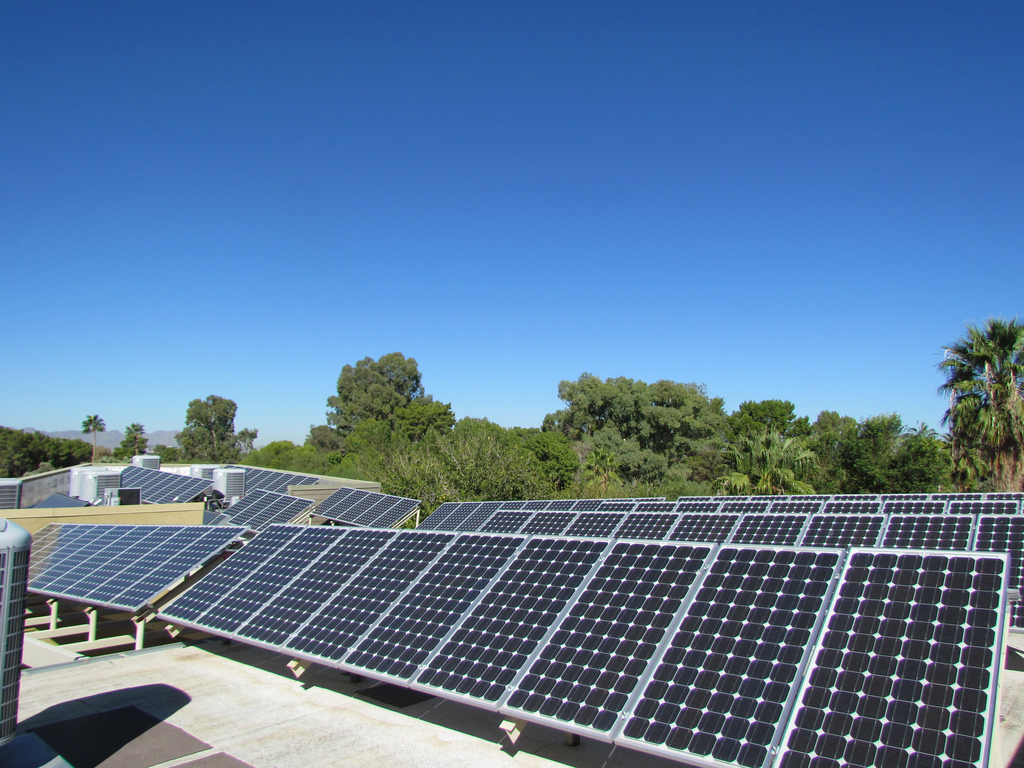
To offset the power we do use, Tucson Electric Power donated solar arrays in several locations: the Conservation Learning Center, Elephant Care Center, Animal Health Center, and staff parking lot. These panels produce clean energy that feeds back into the TEP power grid. Check how much power we have generated at the Conservation Learning Center.
sustainability
Supporting Sustainable Palm Oil
Over 50% of the products in the grocery store are made from palm oil ranging from food and personal care items to cleaning products. To keep up with our demand, oil palm (the tree used to make palm oil) plantations are increasing throughout Asia and South America. Unsustainable farming practices are destroying habitat for species such as orangutans, tigers, primates, and tapirs. However, rather than boycotting palm oil, which will lead to more resource-dependent vegetable oil to take its place, we can choose to support companies that invest in sustainable palm oil practices. This also helps the economies in countries that grow oil palm trees.
When purchasing candy for Boo at the Zoo or snacks for summer, Reid Park Zoo makes sure we purchase only products made from companies that are committed to sustainable palm oil.
You can at home too, when you are shopping be sure to look for the RSPO logo or if you do not see it, you can download this app from our conservation partners. Not all products have palm oil in it, so if a product does not have palm oil it will not be on the app.
You can also download sustainable shopping guides from our conservation partners at the Cheyenne Mountain Zoo.
GET the FREE Sustainable Palm Oil Shopping Guide App v2.0:


Here are some ways palm oil may be listed: Vegetable Oil, Vegetable Fat, Palm Kernel, Palm Kernel Oil, Palm Fruit Oil, Palmate, Palmitate, Palmolein, Glyceryl, Stearate, Stearic Acid, Elaeis Guineensis, Palmitic Acid, Palm Stearine, Palmitoyl Oxostearamide, Palmitoyl Tetrapeptide-3, Sodium Laureth Sulfate, Sodium Lauryl Sulfate, Sodium Kernelate, Sodium Palm Kernelate, Sodium Lauryl Lactylate/Sulphate, Hydrated Palm Glycerides, Ethyl Palmitate, Octyl Palmitate, Palmitoyl Alcohol

sustainability
Supporting Sustainable Seafood
Reid Park Zoo is an official partner in the Seafood Watch® program. Managed by the Monterey Bay Aquarium, this program seeks to help sustain wild, diverse and healthy ocean ecosystems that will exist long into the future. As a program partner, we help educate our audience about seafood choices that promote sustainable fishing or farming practices. We also purchase fish and other seafood for our animals according to guidelines set by the program. You can check if your seafood is caught in a sustainable way by visiting and bookmarking https://www.seafoodwatch.org.
sustainability
Composting Food & Animal Waste
Food Waste:
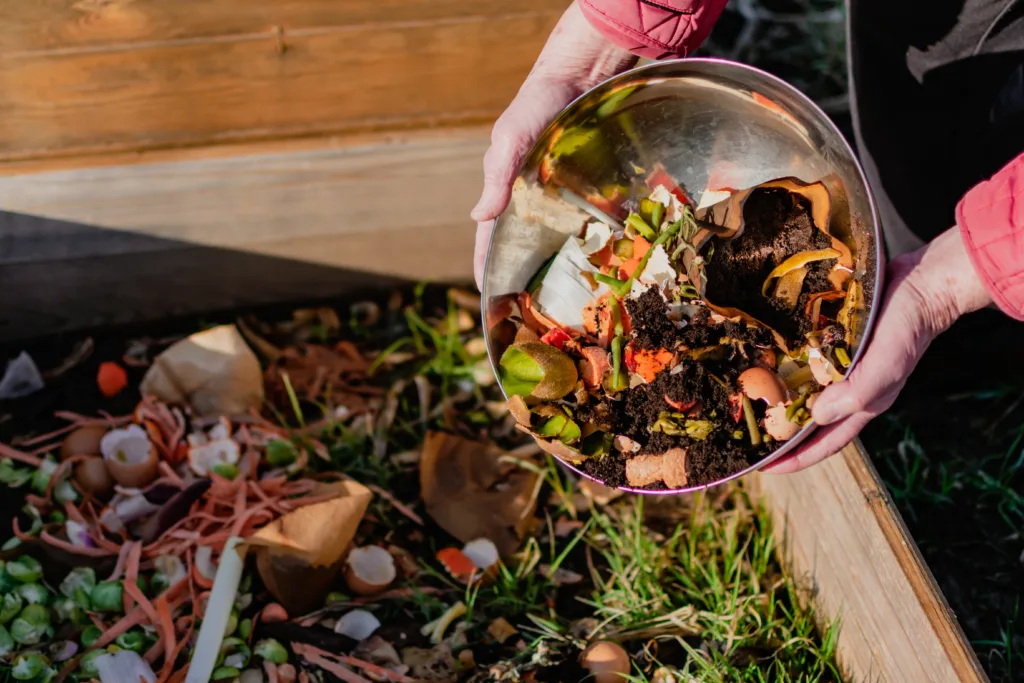
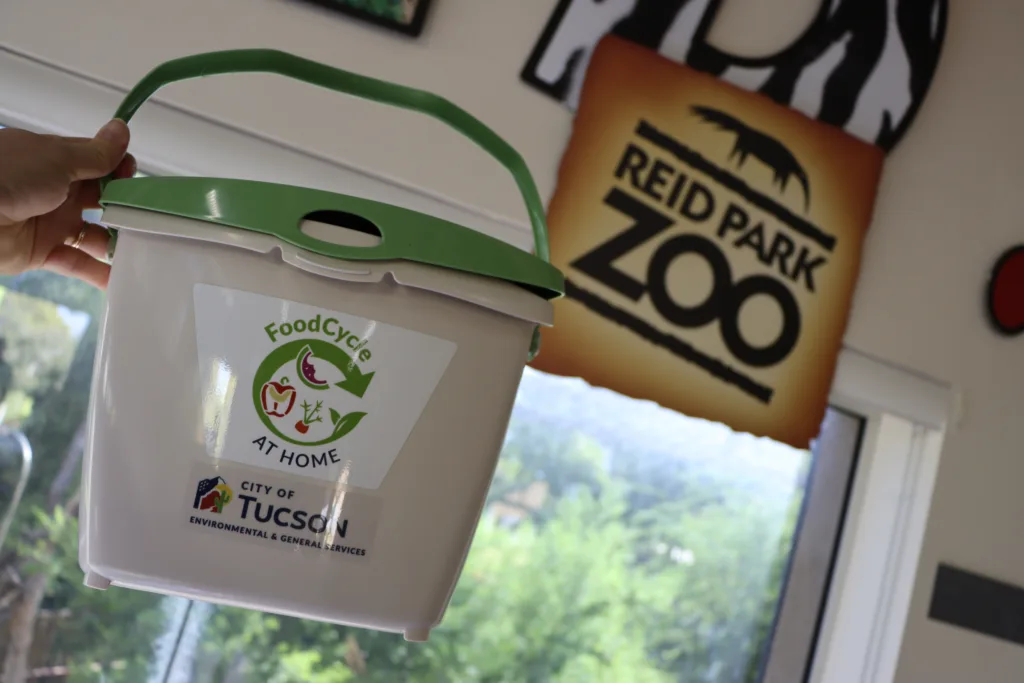
Through the City of Tucson’s FoodCycle program, Reid Park Zoo is able to compost all food scraps produced by the Zoo’s kitchen and from staff lunches. The FoodCycle program is operated by Environmental Services in partnership with the University of Arizona Compost Cats. All businesses that generate food waste within Tucson city limits can participate including restaurants, hotels, grocery stores, etc. You can learn more about the program here.
Interested in composting at home? Check out this guide from the University of Arizona for some helpful tips!
Zoo Doo:
Through a partnership with the City of Tucson, animal waste from the Zoo’s herbivores (those that eat only plants) is picked up weekly and brought to the Los Reales Compost Facility. The compost is used for landscape projects done by the City of Tucson.
Learn more about actions you can take today to reduce your impact on the planet