

Sustainability at Home
It’s Our Mission!
You don’t have to be a conservation expert to make a difference. The choices we make every day—what we buy, what we use, and what we throw away—can affect the health of our communities, our environment, and the wildlife that share our planet.
Sustainable living is about making thoughtful choices that use resources wisely and reduce waste. It can also save money, simplify our lives, and help create a healthier environment for people and wildlife.
Start with what works for you. Refuse what you don’t need. Reduce what you use. Repair instead of replacing. Reuse what you already have. Regift items you no longer need. Recycle properly. And compost food scraps and other materials whenever possible.
No single action will solve the challenges facing our planet—but when millions of people make small, everyday changes, those choices add up. By making more sustainable choices at home, you can help conserve natural resources, reduce pollution and waste, and protect the wild places that animals depend on.
Small choices. Big impact. A healthier planet for all.
Choose one or more of these actions to help protect wild animals and wild places.
Sustainabilty
Donate your approved browse to the Zoo
Did you know Reid Park Zoo has a Browse Program for our large herbivores? Donating browse to the Zoo reduces the amount of tree trimmings going to the landfill, plus the animals at the Zoo LOVE fresh browse.


sustainability
Plant native plants in your yard
Native plants provide natural sources of food and shelter for native wildlife. Bonus, native plants are better adapted to our hot, dry climate so they need less water and are easier to maintain.
Find a list of plants native to your area using a database like the ones available through the National Wildlife Federation, National Audubon Society, or the Arizona Native Plant Society. You can even certify your garden as a wildlife habitat through the National Wildlife Federation.
Reid Park Zoo is working with Strategic Habitat Enhancements to improve our native pollinator garden. Keep an eye on the events page to join us for a maintenance and monitoring day!
Sustainability
Avoid the use of pesticides
Pesticides and herbicides are harmful to pollinators and birds. Make sure any plants and seeds you purchase were not coated in neonicotinoids, or “neonics”. Local plant nurseries are good places to purchase plants. Nighthawk Natives Nursery supplies native plants for Reid Park Zoo’s Party for the Planet plant giveaways.


sustainability
Reduce Artificial Light at Night (ALAN)
Many birds and other wildlife migrate at night. Artificial light can draw them closer to buildings and cause them to tire and become disoriented. Help them migrate successfully by closing curtains at night and only using outdoor light that is necessary, directed downward, and motion-activated so it only turns on when needed.
sustainability
Make your windows bird-safe
Birds do not see glass as a barrier, especially when outdoor plants are reflected in it. Make your windows visible to birds by applying patterns that are spaced no more than 2 inches by 2 inches apart (so the bird doesn’t try to fly between the pattern). Decals do not work unless they are very close together.


sustainability
Remember the 4 R’s
(Refuse, Reduce, Reuse, and Recycle)
Refuse single use plastic like grocery bags, straws, and single use water bottles.
Reduce your use of mined resources like lithium (which impacts flamingo habitat) by only replacing electronics when they no longer work. (Don’t forget that you can bring your old electronics to Reid Park Zoo and drop them in our EcoCell box for recycling!)
Reuse gently used clothing by purchasing clothing second-hand, and donating clothing you no longer wear for resale.
Recycle properly by following the policy of your community.
sustainability
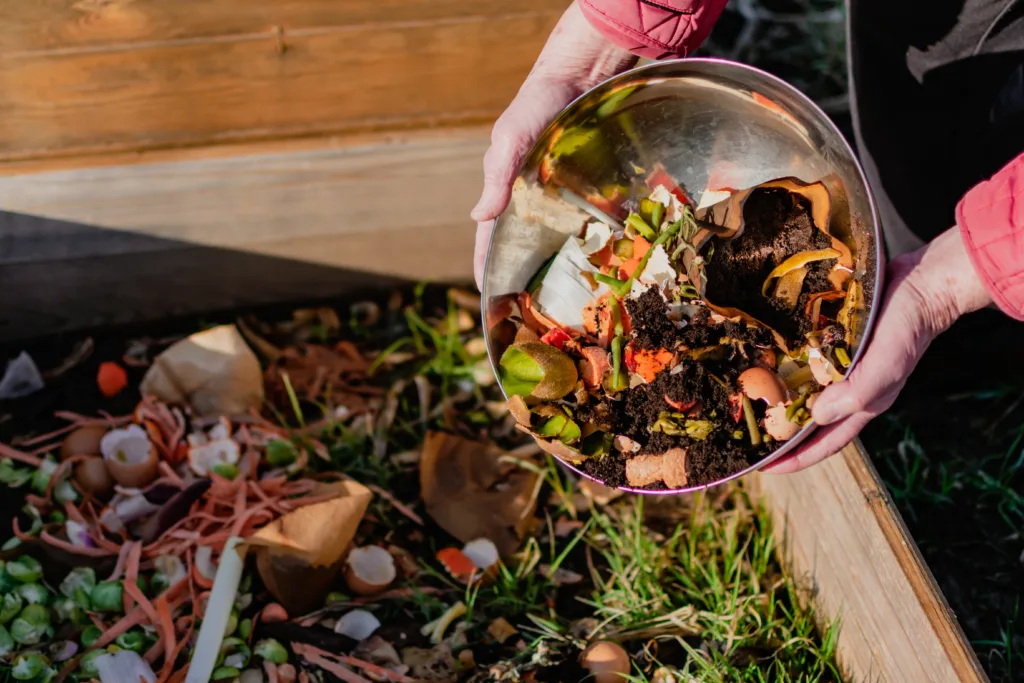
Compost your food waste
(the 5th R = Rot)
Instead of going to the landfill, food scraps can be composted. Many people have backyard compost piles but you can compost your food waste even if you don’t have a big yard by participating in the City of Tucson’s FoodCycle At Home program. Learn more about the program and sign-up to join a workshop near you. At the workshop, you will receive a countertop compost bucket and list of drop off locations around the city.


sustainability
Looking for ways to be more energy efficient at home?
Tucson Electric Power offers many energy-saving residential programs.
Trees for You: By participating in their Trees for You program you can save energy by providing shade for your home while beautifying your neighborhood.
GoSolar Program: Thinking about going solar at home? TEP has special programs for homeowners.
Energy Saving Resources: Learn more about how you save energy at home by following these tips.
Home Energizer Workshops: Help spread the word to through the neighborhood by learning how you can host a Home Energizer Workshop sponsored by TEP.
sustainability
Make Sustainable Shopping Choices
All species rely on a healthy habitat. We can help protect habitats around the world by making sustainable shopping choices. Use apps like Palm Oil Scan, websites like Seafood Watch, and look for labels such as Smithsonian Bird Friendly, Rainforest Alliance, and Fair Trade to make your choice easier. Look for items made with post-consumer recycled plastic and paper.


sustainability
Be Water Wise
Fix leaky faucets and install low flow fixtures to save water (and money). Consider harvesting rainwater during monsoon season to use for watering plants year-round. Learn more about how to conserve water in the desert with the Watershed Management Group.
sustainability
Become a Community Scientist
Community Science (also called citizen science) programs allow us to make observations that help scientists around the world protect wild animals and wild places. Use iNaturalist or eBird when exploring the backyard or neighborhood, or check out SciStarter to learn about community science projects around the world, and even some you can do from your couch!


sustainability
Want more ideas?
Here are just a few of the many resources available to help you build sustainability into your life!