
Conservation in Central & South America
Central and South America are home to some of the planet’s most extraordinary natural wonders, including the Amazon Rainforest—the largest tropical rainforest on Earth—and the Andes, the world’s longest continental mountain range. Together, these landscapes create an incredible diversity of habitats that support an astonishing variety of wildlife, from jaguars and giant otters to macaws, poison dart frogs, and countless species found nowhere else. The region also contains some of the world’s greatest freshwater resources and plays a vital role in regulating Earth’s climate. Protecting these remarkable ecosystems helps preserve one of the world’s richest centers of biodiversity while benefiting both wildlife and people.
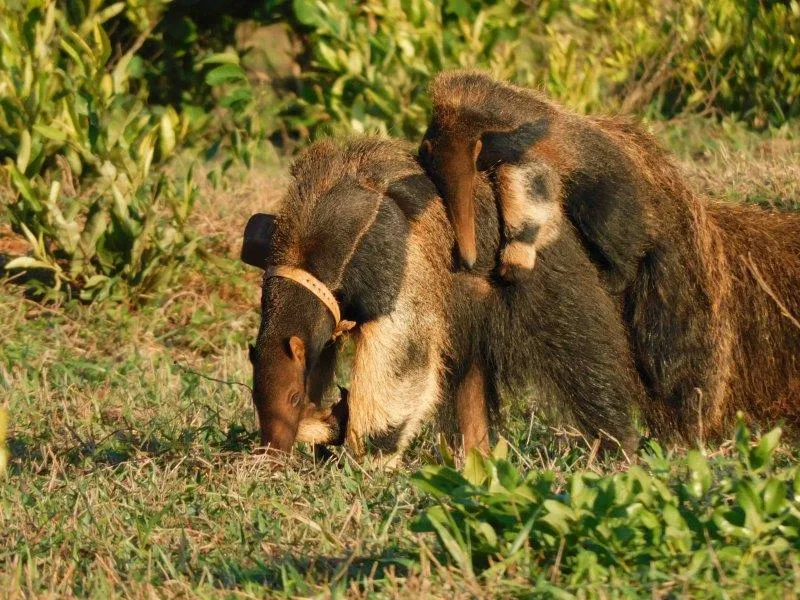
Giant Anteater Conservation Program
The largest remaining populations of giant anteaters live in the grasslands and forests of Brazil’s Cerrado habitat. This habitat is being disrupted due to rapid agricultural development and road construction.
Giant anteaters are one of the animals most frequently involved in car accidents. The Giant Anteater Conservation Program works to provide a better understanding of why this is happening and to generate innovative solutions to prevent roadway mortality of both anteaters and humans. Follow the Giant Anteater Conservation Program on Facebook.
Kids can learn more about how zoos help conserve anteaters by listening to “Why Did the Anteater Cross the Road.”
Andean Highland Flamingo Conservation Program
Reid Park Zoo is a Program Partner for SAFE Andean Highland Flamingo, which supports the recovery and conservation of Andean, Chilean, and Puna (James’s) flamingos through research, public engagement, targeted training, community outreach, and education.
Reid Park Zoo works with Chilean partners, such as Zoológico Nacional de Chile, to support activities outlined in the country’s Andean highland flamingo conservation plan, fill research gaps, and assist with the identification, prioritization, and designation of critical flamingo habitat in Chile’s northern Andean highlands. In addition to using satellite transmitters to learn flamingo movement patterns, the program also works with local communities and schoolchildren to foster appreciation of, and coexistence with, flamingos.
You can protect flamingos the next time you visit Reid Park Zoo by recycling your old cell phones or other small electronic devices in the EcoCell drop box located in front of the Chilean flamingo habitat.


AZA SAFE Andean Bear
The most significant threat to Andean bears is habitat loss and fragmentation; it is expected that they will become endangered in the next 20 years due to deforestation and human encroachment.
SAFE Andean Bear monitors bears found in 15 protected areas across Colombia, Ecuador, Peru, and Bolivia to determine changes in populations and identify areas that need protection. Thanks to more than 600 stakeholders, information has been gathered that will help generate a new Andean bear range map across their native countries.
ProCat Andean Bear
ProCat Columbia works in several Andean bear range countries and supports conservation action through habitat restoration, community outreach, and research.
In Colombia, ProCat’s support for research projects is key not only to understanding Andean bears, but also to generating information for the management of the species and the benefits of their conservation to the communities who share their territory.

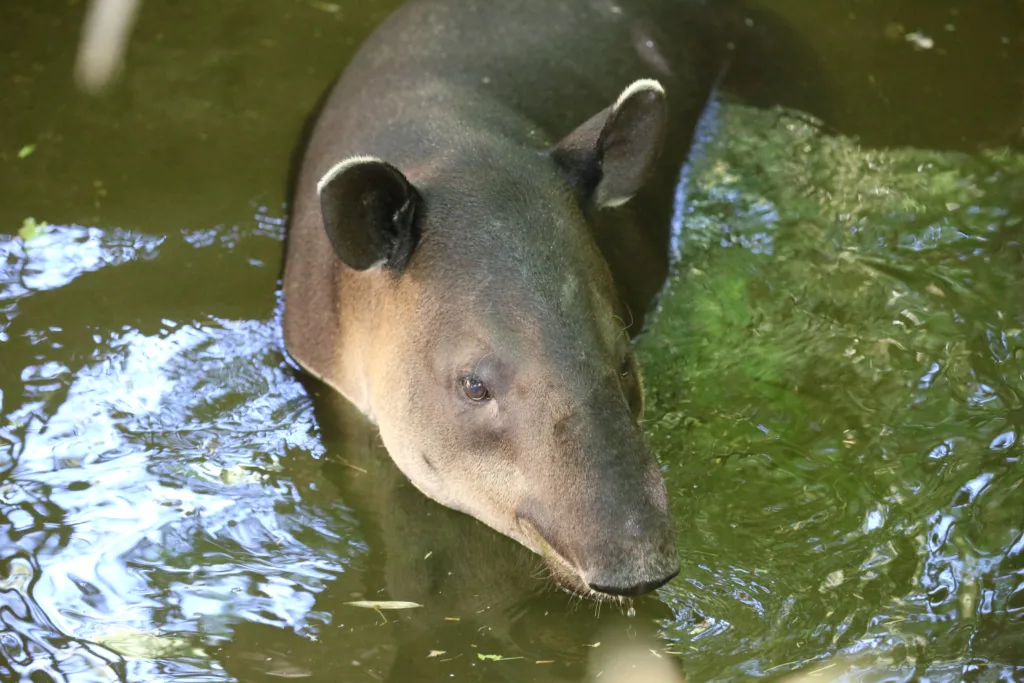
Baird’s Tapir Survival Alliance
The Baird’s Tapir Survival Alliance works to ensure the survival of the Baird’s tapir in the forest habitats they live in throughout Central and South America.
The main threats to the survival of Baird’s tapirs include unsustainable hunting, retaliatory killings for crop-raiding, habitat destruction, road development, and climate change. Working in Mexico, Guatemala, Honduras, Nicaragua, Costa Rica, and Panama, the BTSA is working to develop conservation actions that reduce poaching and retaliatory killings and facilitate coexistence with tapirs through innovative livelihood projects. Follow BTSA on Facebook.