Conservation in Asia
Asia is a land of extraordinary contrasts, where ancient rainforests, soaring mountain ranges, winding rivers, and vibrant coral reefs support an unparalleled variety of life. Southeast Asia is especially remarkable, containing four of the world’s biodiversity hotspots and forests that are among the oldest on Earth.
These rich landscapes are home to incredible species found nowhere else, from orangutans and sun bears to hornbills, clouded leopards, and rafflesia—the world’s largest flower. Protecting these ecosystems not only preserves unique wildlife, but also safeguards the forests, rivers, and coastlines that millions of people rely on every day.

WCS Malaysia
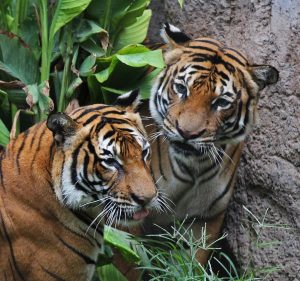
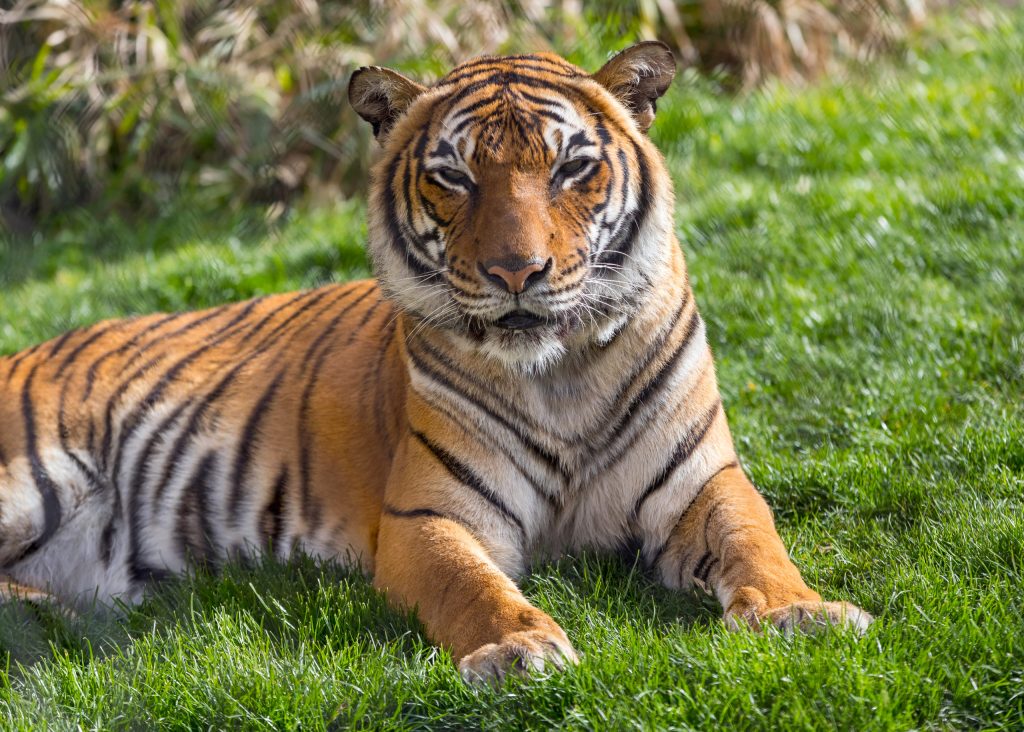
Worldwide, tigers are found in less than seven percent of their original range and are threatened by habitat loss and degradation, poaching, tiger-human conflict, loss of prey, and other factors.
Four of nine subspecies have disappeared from the wild just in the past hundred years, and the Amur, Sumatran, and Malayan tigers are all thought to number fewer than 500 individuals in the wild. In the case of the Malayan tiger, recent survey results indicate that fewer than 150 individuals remain in Peninsular Malaysia. WCS Malaysia has been working for nearly 20 years in the Endau-Rompin Landscape to ensure the continued survival of this critically endangered tiger. Efforts include monthly multi-agency patrols, capacity building for anti-poaching work, tiger monitoring, and outreach and awareness-building.
Komodo Survival Program
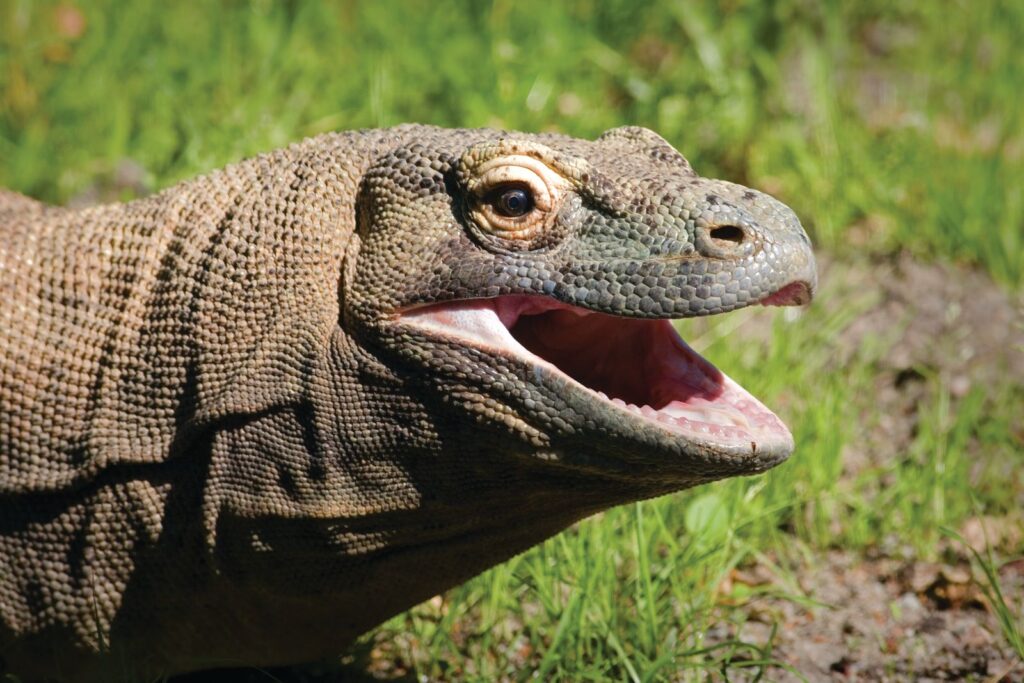
In anticipation of the Zoo’s Pathway to Asia expansion, the Zoo supports the Komodo Survival Program in Indonesia.
This program works with the Indonesian government by monitoring the population of Komodo dragons throughout the 5 islands they inhabit. Their work has provided important information about the lizards to ensure their future survival.


SAFE Gibbon
Reid Park Zoo supports the SAFE Gibbon program, which works with four vetted field partners to protect gibbons and other small apes across their range. Through habitat monitoring and population surveys, rehabilitating and rewilding gibbons, and education efforts that help reduce the many threats these species face, these organizations are working to safeguard all 20 recognized species of gibbons and the forests they call home.
Red Panda Network (RPN)
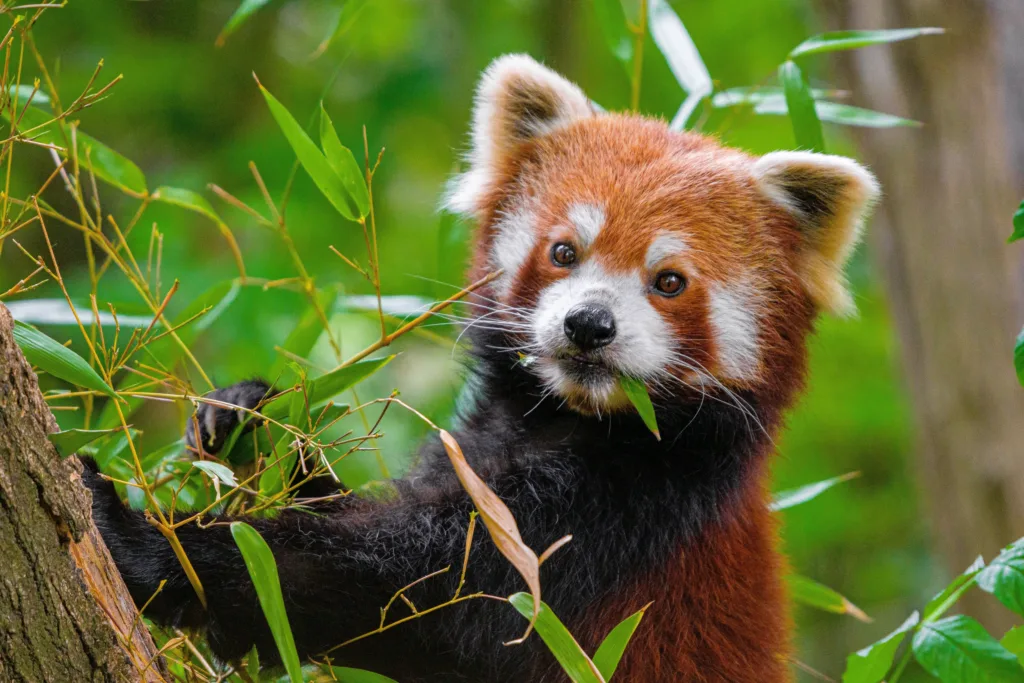
The SAFE Red Panda program supports the protection of red pandas in their native habitat through the Red Panda Network (RPN).
Thanks to habitat restoration projects and community-based programs, over 75,000 acres of forest are managed with red panda conservation in mind. Saving critical red panda habitat and promoting sustainable livelihoods for the people who share those spaces are cornerstones of RPN’s approach to providing a secure future for these incredible animals.

© Pittsburgh Zoo & Aquarium • Clare Grant