
Conservation Beyond Reid Park Zoo
It’s Our Mission!
Your visits and support of Reid Park Zoo make it possible for the Zoo to be actively involved with conservation programs around the world.
While zoos play an important role in conservation, wildlife ultimately needs healthy habitats in order to survive. That is why Reid Park Zoo invests in conservation efforts beyond our gates.
Each year, Reid Park Zoo provides financial support to organizations working around the world to protect wildlife and the ecosystems they depend on. These projects focus on habitat protection, scientific research, community engagement, anti-poaching efforts, wildlife monitoring, species recovery, and environmental education.


When evaluating potential conservation partners, we consider factors such as:
Alignment with species represented at Reid Park Zoo
Conservation need and urgency
Potential impact on wildlife and habitats
Organizational effectiveness and stability
Collaboration with local communities and Indigenous partners
Long-term sustainability of conservation outcomes
Many of the projects we support are part of AZA’s Saving Animals From Extinction (SAFE) programs. SAFE programs bring together zoos, aquariums, conservation organizations, researchers, government agencies, and local communities to address the most pressing threats facing wildlife.
We also work directly with a diverse network of conservation organizations around the globe. Together, these partnerships help protect wildlife where conservation matters most—in the wild.
Select a region below to explore the conservation projects and partnerships supported by Reid Park Zoo.
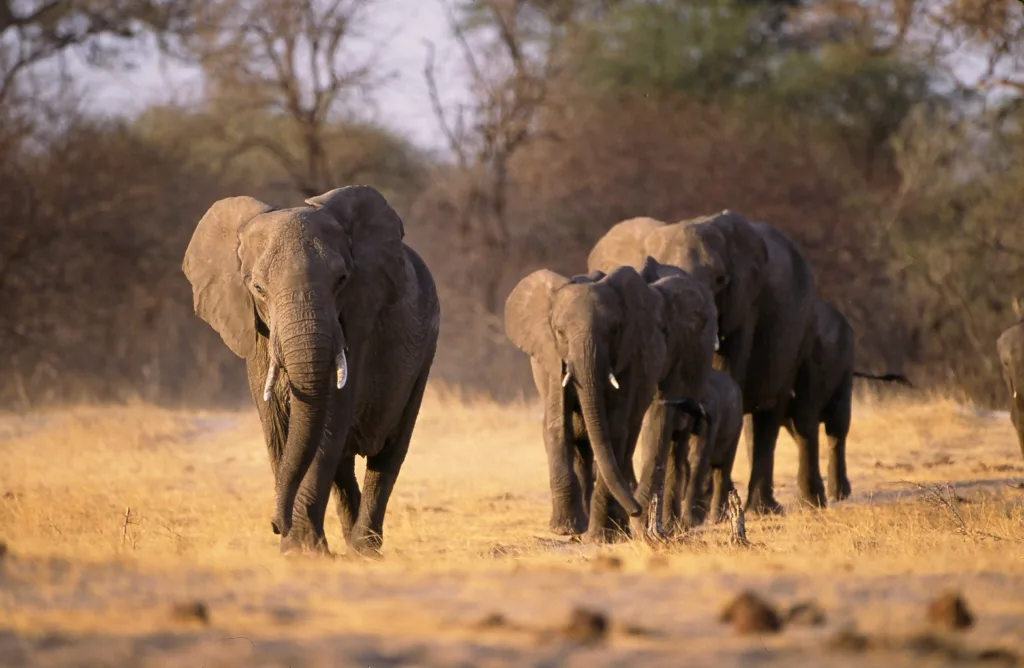
Africa
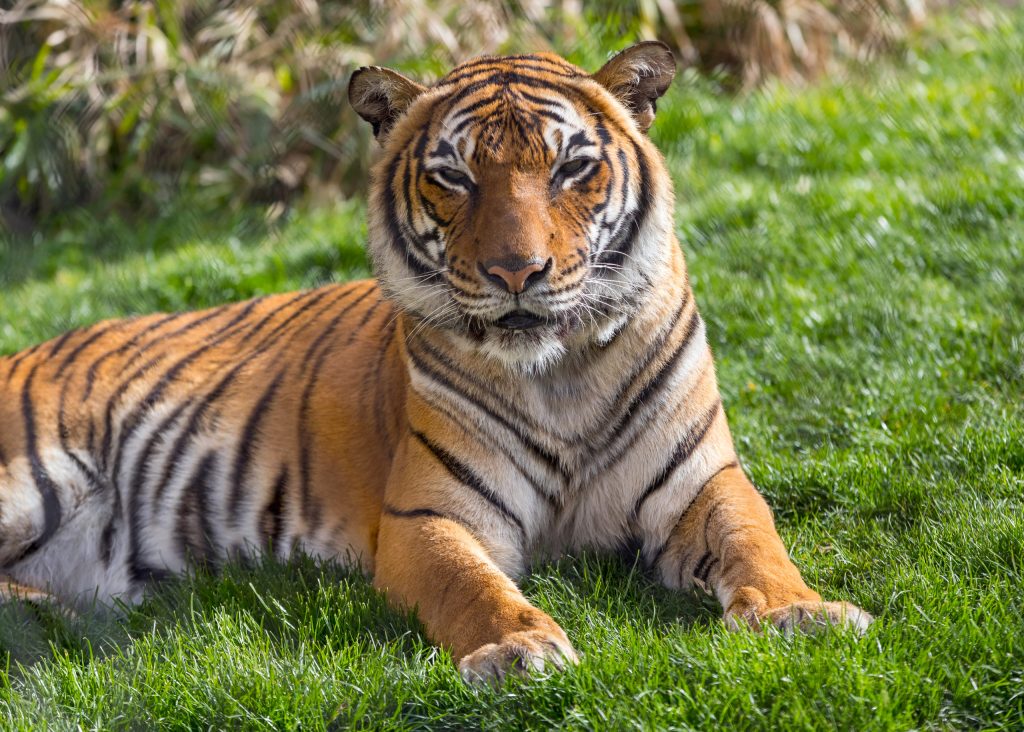
Asia
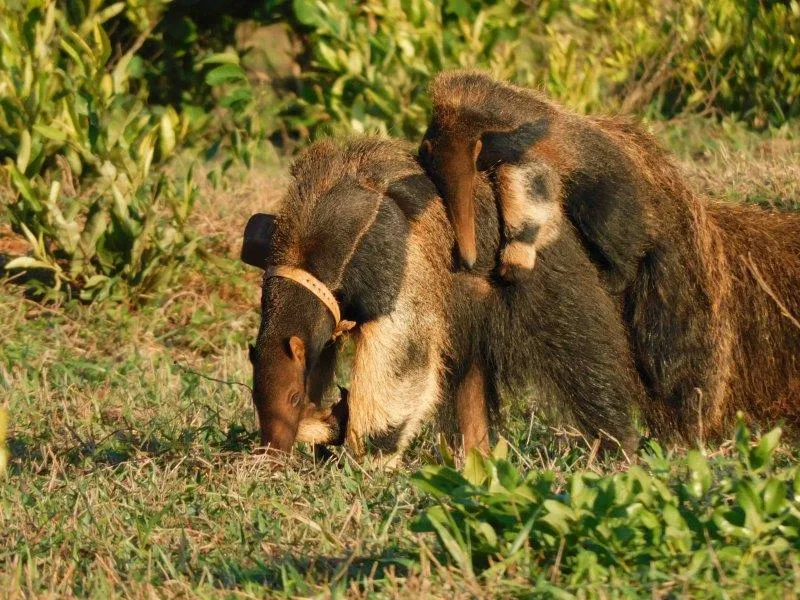
Central & South America
North America
Conservation
SAFE Program – Saving Animals from Extinction
Reid Park Zoo has joined forces with fellow Association of Zoos and Aquariums facilities to help save animals from extinction.
Each SAFE (Saving Animals from Extinction) program highlights a species that is in immediate need of assistance. By focusing the collective expertise within AZA-accredited zoos and aquariums, and empowering our massive audiences, we can achieve the goals of all of the SAFE programs.

Reid Park Zoo partners with the following SAFE programs:
African Elephant
SAFE African Elephant is dedicated to amplifying and focusing efforts on the conservation of African elephants. The inaugural program plan focuses on enhancing conservation initiatives, increasing public awareness of both species of African elephants, building vital partnerships with key conservation organizations and securing the long-term sustainability of these majestic animals.
African Lion
Over the last 25 years, lion populations throughout Africa have decreased by half. This program’s goal is to double the number of lions in the wild by 2050. Through the SAFE Lion program, Reid Park Zoo is partnering with organizations in Africa to reduce threats to lions throughout Africa by mitigating conflict between farmers and lions and addressing habitat loss.
African Painted Dog (African Wild Dog)
SAFE African Painted Dog works within three regions of Africa (West and Central Africa, East Africa, and Southern Africa) to increase conservation support, raise public awareness of African painted dogs, and build relationships between AZA institutions and key African painted dog field partners in Africa.
Andean Bear
The Andean bear may become endangered in the next 20 years due to deforestation and human encroachment into their habitat. SAFE Andean Bear monitors Andean bears found in 15 protected areas across Colombia, Ecuador, Peru, and Bolivia to determine changes in Andean bear populations and identify areas that need protection.
Andean Highland Flamingo
SAFE Andean Highland Flamingo (AHF) works to ensure sustainable populations of Andean, Chilean, and Puna (James’s) flamingos throughout their geographic range in South America. SAFE AHF supports the recovery and conservation of these three species through research, monitoring, public engagement, targeted training, community outreach, and education programming.
Gibbon
SAFE Gibbon, in collaboration with field partners and AZA institutions, is committed to addressing the critical threats facing gibbons today, including habitat loss, ecosystem degradation, and the illegal wildlife trade.
Giraffe
The primary goal of the SAFE Giraffe program is to support a world in which healthy giraffe populations live in the wild. The program also seeks to find opportunities where in situ and ex situ research can work together to help with giraffe conservation, giraffe health, and educational initiatives.
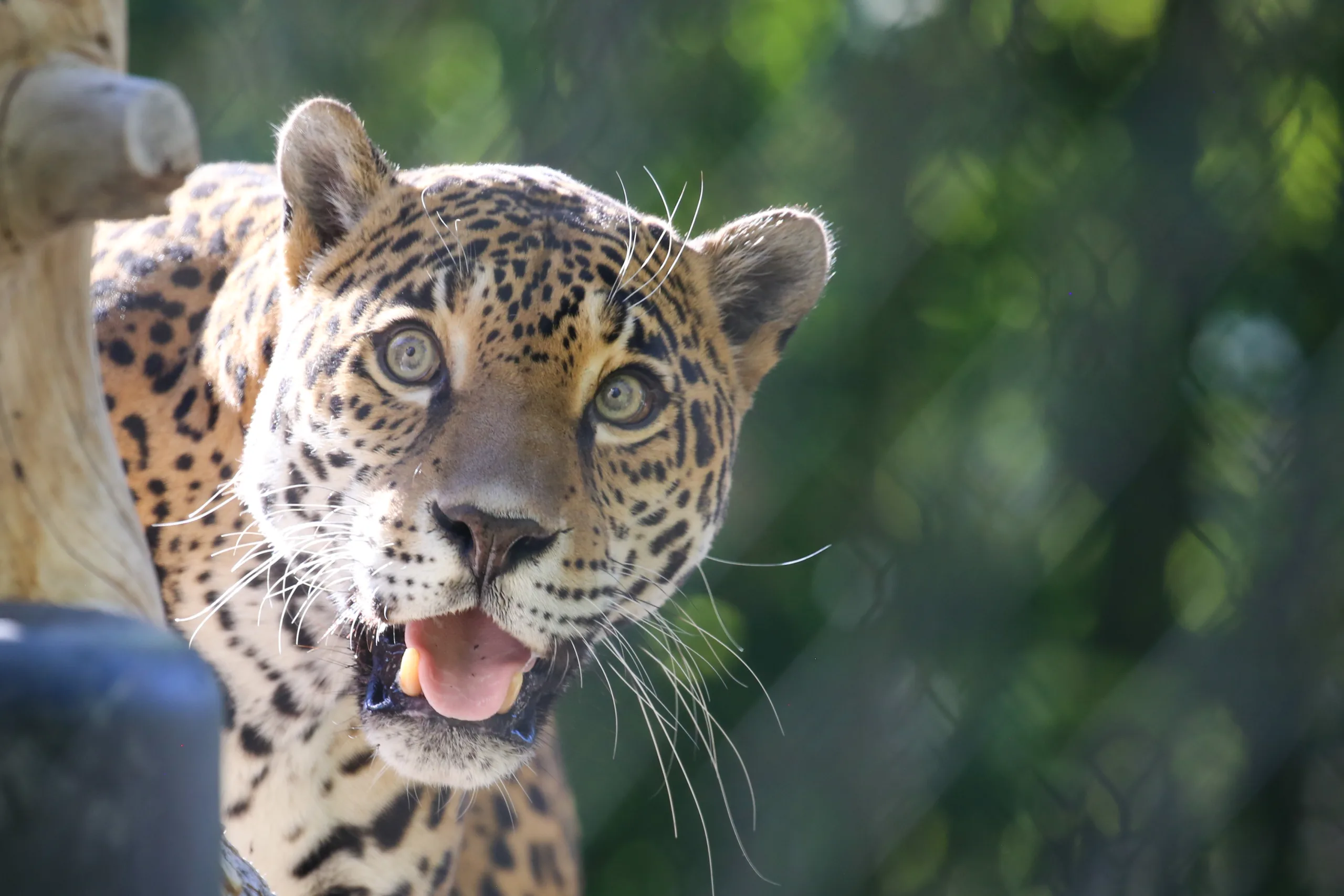
Jaguar
The SAFE Jaguar program conducts, funds, and supports jaguar-related fieldwork in Central and South America. Using objectives outlined by the IUCN Species Survival Commission Cat Specialist Group, the SAFE jaguar program is focused on protecting jaguars primarily in Central America and expanding capacity to protect jaguars throughout their range.
North American Monarch
SAFE North American Monarch brings together a wide range of partners, from zoos and botanical gardens to government agencies and landscape associations, to catalyze expanded butterfly and pollinator conservation measures across this iconic species’ migratory range.
North American Songbird
Songbirds are some of the most familiar and beloved birds, as well as some of the most threatened species on Earth. SAFE North American Songbird program partners work together to reduce threats to native songbirds by reducing bird collisions with glass, reducing the impact of domestic animals on wildlife, preserving, enhancing, and establishing native habitats, and promoting Bird Friendly® coffee.
Red Panda
Red pandas are listed as Endangered on the International
Union for Conservation of Nature (IUCN) Red List, with populations decreased by up to 50% in the last three generations. SAFE Red Panda supports work to protect red pandas in their native habitat through the Red Panda Network (RPN), which uses integrated, landscape-level approach to conservation that is built on the support and participation of local communities.